
History of Sapele
Once one of Nigeria’s most vibrant industrial and commercial hubs, Sapele stood at the heart of timber, trade, manufacturing, river transport, and power infrastructure.
Origins and Early Development
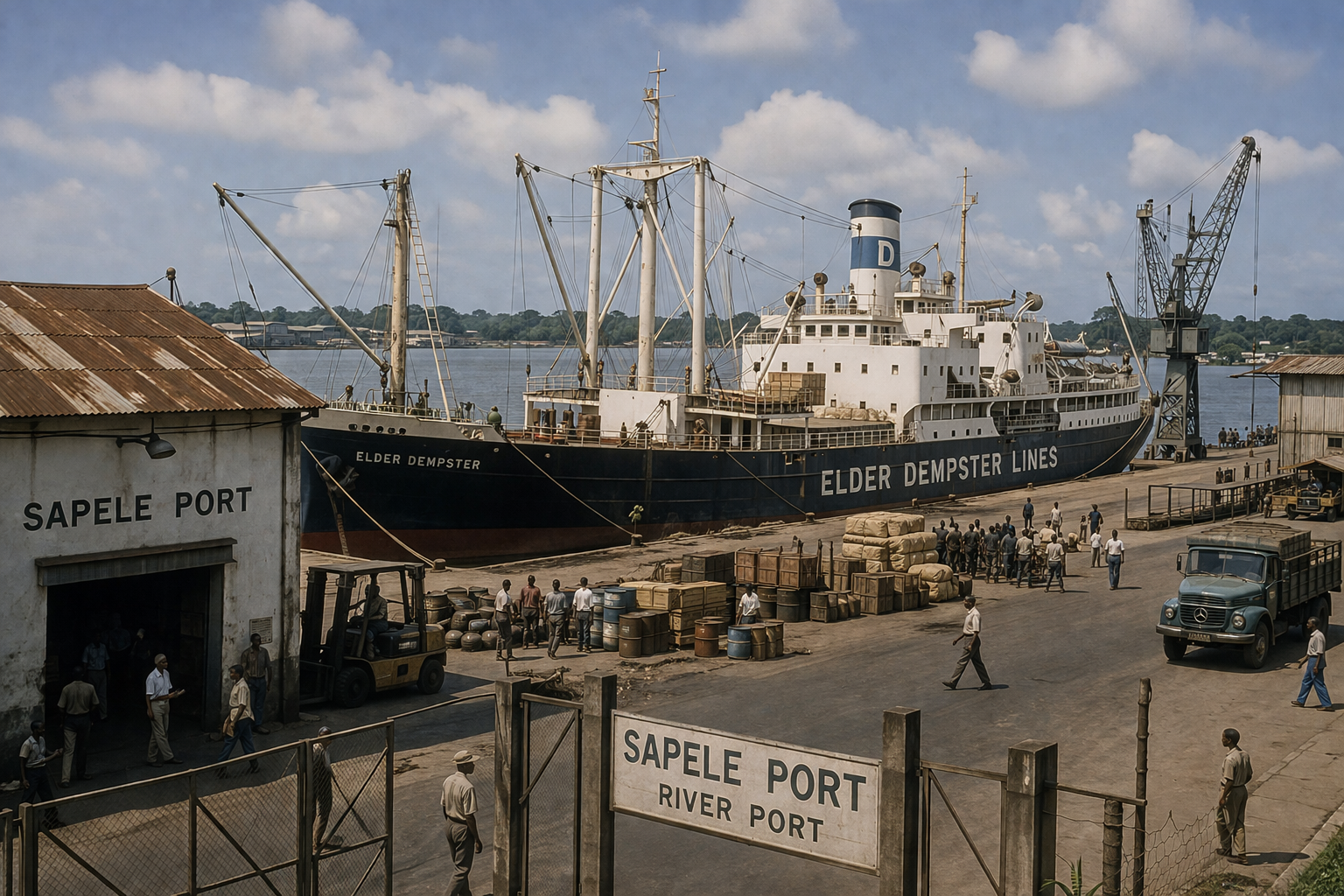
Located along the Ethiope River in Delta State, Sapele developed as a strategic river port during the colonial era. Its access to inland waterways and nearby forest resources made it a natural centre for trade and export.
The river was central to Sapele’s growth. It connected the town to surrounding communities, supported timber and rubber movement, and helped establish Sapele as a commercial gateway for goods, people, and industry.
The Industrial Era
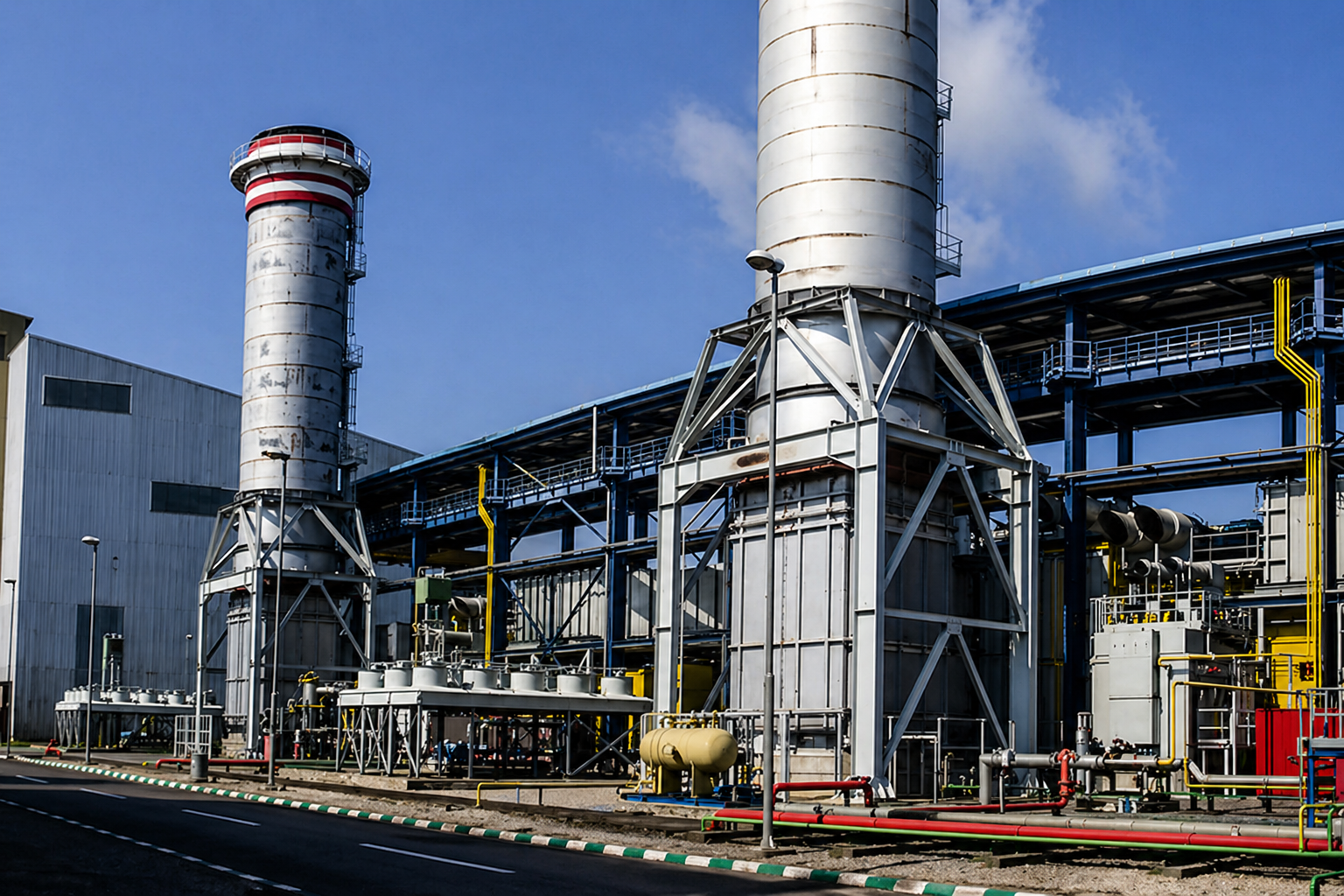
From the 1950s through the 1980s, Sapele experienced rapid industrial growth, becoming one of Nigeria’s leading industrial towns and a major centre of employment in the region.
- African Timber & Plywood (ATP) — timber processing, sawmilling, plywood production, and export.
- Bata Shoe Company — footwear manufacturing and industrial employment.
- Eternit Nigeria — roofing sheets and building-material production.
- UAC and John Holt — trade, logistics, retail, and commercial distribution.
- Sapele Port — movement of goods through the river economy and connection to wider trade routes.
- Ogorode Power Plant — critical energy infrastructure supporting industries, businesses, and households.
Other important companies that contributed to Sapele’s industrial, commercial, and shipping activity during this era included:
- Life Flour Mills of Nigeria
- Delta Packaging Company
- Okotie Eboh Shoe Company
- John Thomas Rubber Factory
- K.B. Omatseye Rubber Factory
- Umarco Shipping Company
- Elder Dempster Shipping Company
- Panalpina Shipping Company
Together, these industries created a strong economic base and helped define Sapele as a town of skilled workers, commercial activity, and industrial pride.
The Golden Years

The 1970s and early 1980s marked a period of commercial strength, employment, and civic pride. Sapele was known for its factories, river trade, schools, social life, and strong community identity.
Families were supported by steady jobs, businesses served a growing population, and the town carried a reputation for productivity, discipline, and opportunity.
Decline and Challenges
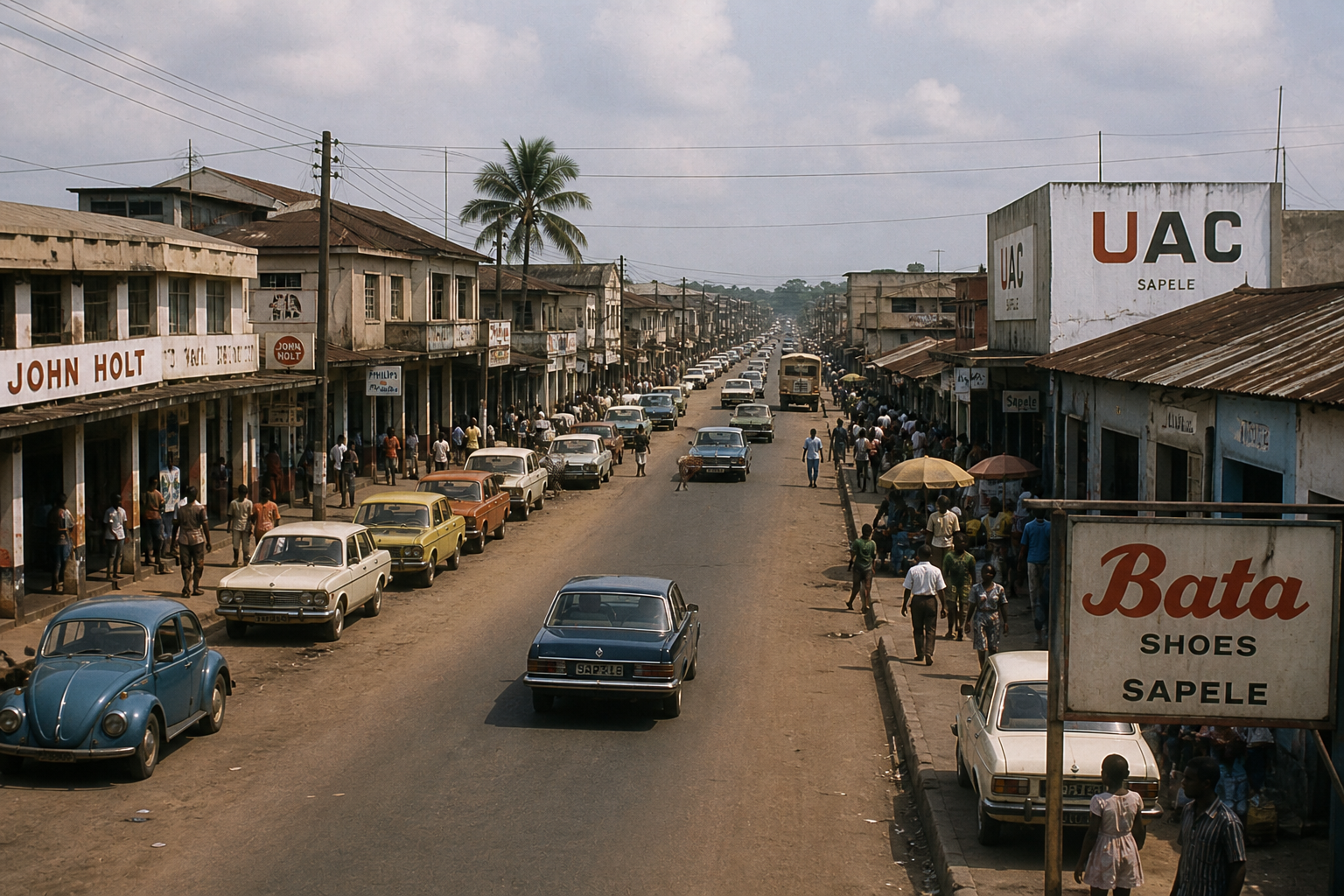
From the late 1980s onward, industrial decline, changing economic policies, reduced manufacturing activity, and weakening infrastructure affected the town’s prosperity and employment base.
Some industries closed, others reduced operations, and many of the institutions that once shaped daily life in Sapele lost their former strength. The result was not only economic decline, but also a gradual fading of civic confidence.
Looking Forward
Despite these challenges, Sapele remains a town of deep historical importance. Its river, industrial memory, commercial heritage, and community spirit remain powerful foundations for renewal.
Memories of Sapele exists to preserve this history, inspire collective memory, and advocate for a revitalised future rooted in the town’s legacy of enterprise and resilience.